From Hollywood
to Alternity.
Philip Morton spent over two decades working as a screenwriter in Hollywood
He started on the production staff of Saturday Night Live, then wrote for Warner Bros., Paramount, 20th Century Fox, along with children's television that earned a Daytime Emmy (Tutenstein, Discovery Kids). After a career spent telling other people's stories, he's turned to the page — writing Lucy Out Of Time, a debut middle grade fantasy novel, and IF, an illustrated narrative poem for families.
Works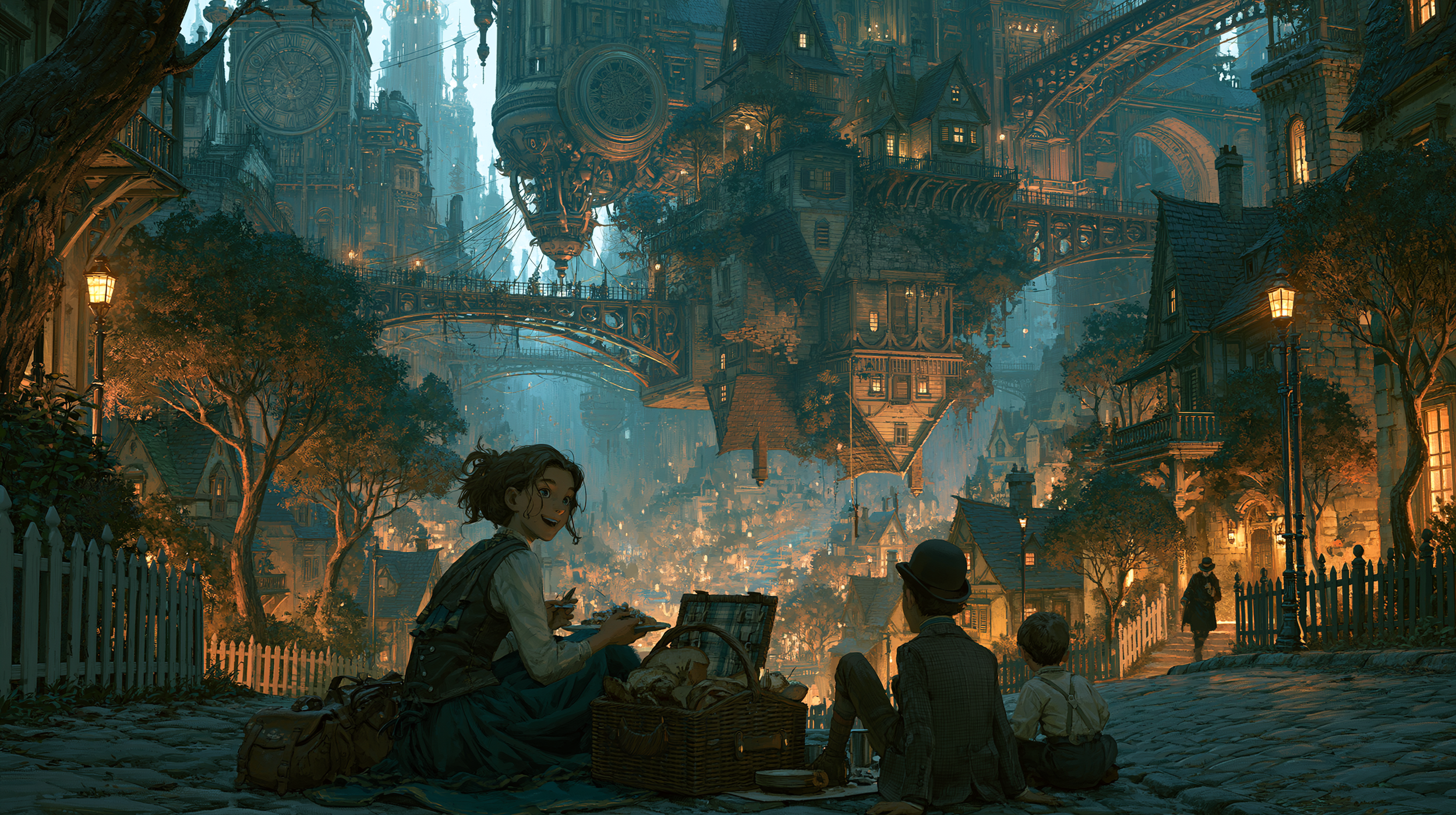
Lucy Out Of Time
Ten year old Lucy has a miserable life
Living with her cruel adopted family — until a stranger saves her from a monster's attack and propels her to Alternity, a city where time has come to a complete stop. Oddly no one seems to have told the residents. Here the laws of physics no longer apply as Lucy is hunted by its vengeful Queen, convinced Lucy has arrived to replace her. To survive, she must cross a confusing landscape, make new friends, and hope to find her way home.
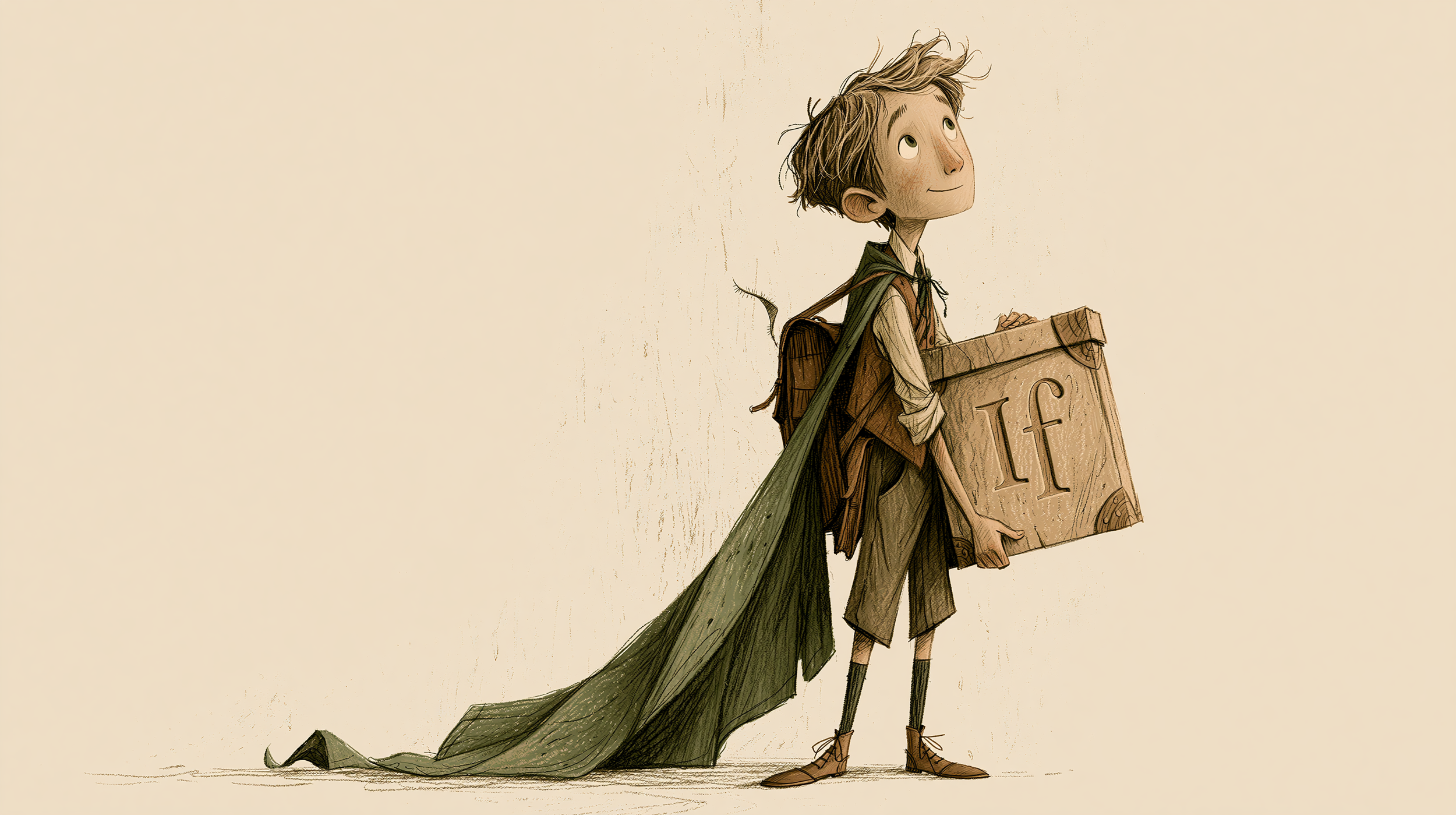
IF
What to do when every new idea gets answered with the single word; ‘No.’
You know you’re in the town of Middle when nothing changes, nothing advances and nobody smiles. But when 10 year old Bean O’Shay arrives with a box he built himself, he shows that with the single magical word IF you can undo a lifetime of no.

Anyone can write. You just need to know how.
It’s not an industry insider blog
…which nobody needs more of. It is a reflection on craft, personal stories, and genuine insight into the art of storytelling. Writing anything and writing what’s memorable are two different things.
The BlogSecrets
Why does a character have secrets?
We love the reveal of evidence in a crime story, a lost touch in romantic betrayal, memories of stern parenting that stifle motivation in an adventure. What sparks a character’s memory can be unexpected; a song, a taste, an image, but secrets are a deep part of their reality and drives their story. Their secret helps define who they are. And if a character doesn’t have a secret, they may feel somewhat flat.
Secrets play particularly well when opposed to the action a hero has to undertake, and sometimes a secret is the driver of the action a hero has to undertake.
There are reasons we are delighted by secrets in storytelling. The revelation of someone’s hidden history makes us understand them better. As we watch the eureka moment of a hero knowing themselves, parts of their story click into place. The new truths revealed may be so profound that we may understand their story in an entirely new way.
This dovetails to our own experiences. We know the significant impact secrets can have in our own lives, and how they affect personal motivations. Personal reflection and self awareness can be life changing. Personal history makes us who we are, including our secrets.
A character’s journey needs to reflect our own journey so that we can relate to them.
And that is why a character has secrets.
Anyone can write.
You just need to know how.
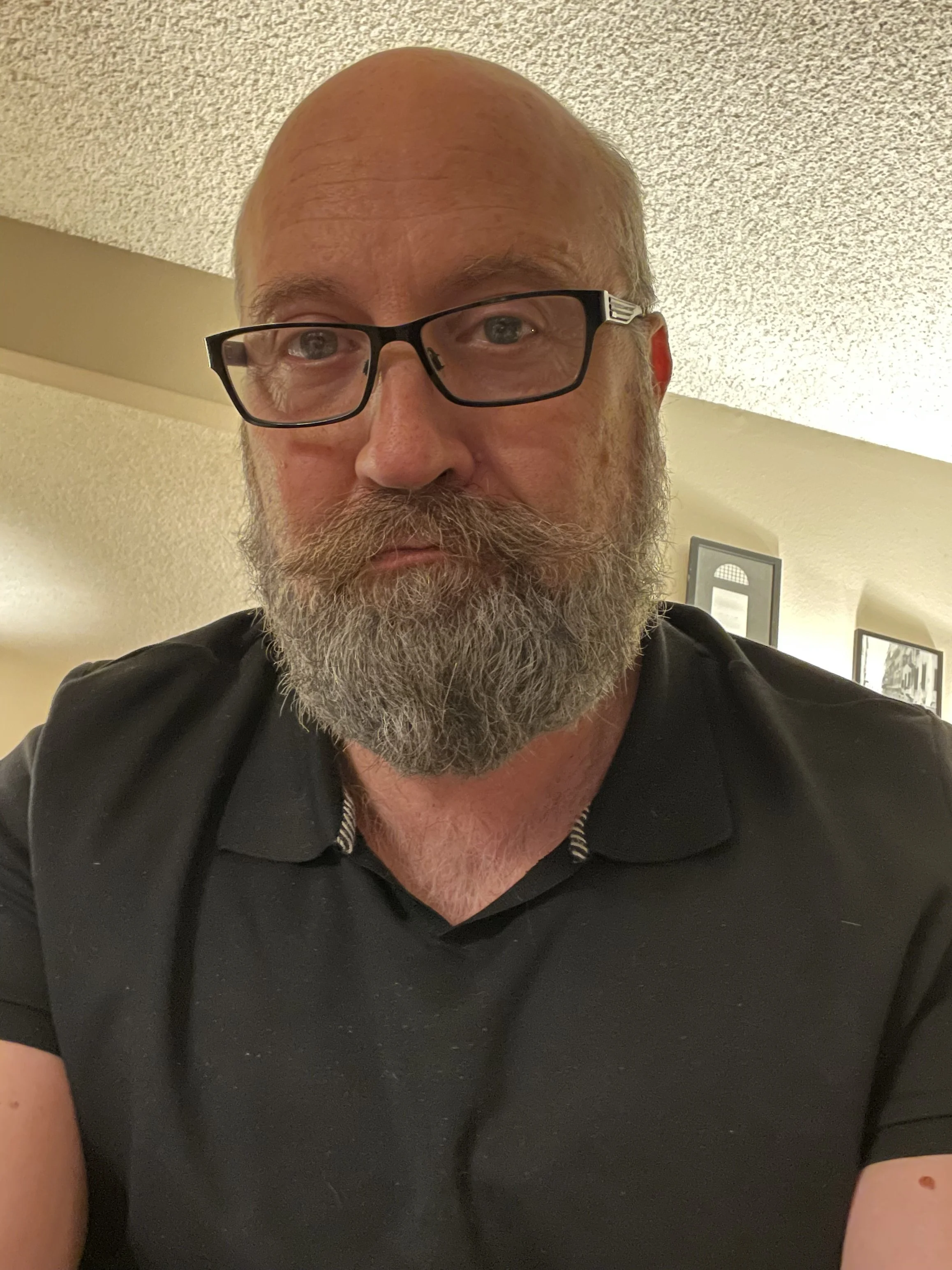
Philip Morton spent over two decades in Hollywood doing what he loved, storytelling for Hollywood studios.
Philip started his career on the production staff of Saturday Night Live with casts including Eddie Murphy and Martin Short.
Writing feature films and television for Hollywood studios for decades followed. Somewhere along the way he discovered his favorite work involved telling stories for young audiences.
His feature and television development work spans: Fox · Warner Bros. · DreamWorks Animation · Sony Animation · Paramount · Nickelodeon Movies · Walden Media · NBC · New Line Cinema.
He was hired at Nickelodeon Movies, the Paramount-based children's film division on multiple projects. He wrote for two produced animated children's series, including a show that earned a Daytime Emmy Award during his time on staff, and developed a feature adaptation of the beloved middle grade novel The Castle in the Attic with Walden Media — the studio behind Chronicles of Narnia and Bridge to Terabithia. His most recent television work was a three-year development project with producer Andrew Lazar, whose credits include American Sniper.
After three decades of telling other people's stories, Philip is now telling his own. His debut middle grade fantasy novel is coming soon.
Produced credits include Fire Down Below (Warner Bros.), 12:01 (New Line Cinema), The Unwilling (Amazon), and Malibu Dan (PureFlix), which he co-created. Children’s animation: Kenny the Shark (NBC) and Tutenstein (Discovery).
Three Things I Still Use
No spam, no selling your information. Just the occasional note when something’s worth sending.
Sign up and get three story-structure principles I picked up in my years in film and television. Nothing theoretical, the kind of thing you can use on a page today.